How to Keep Cats from Eating Each Other’s Food in 6 Steps
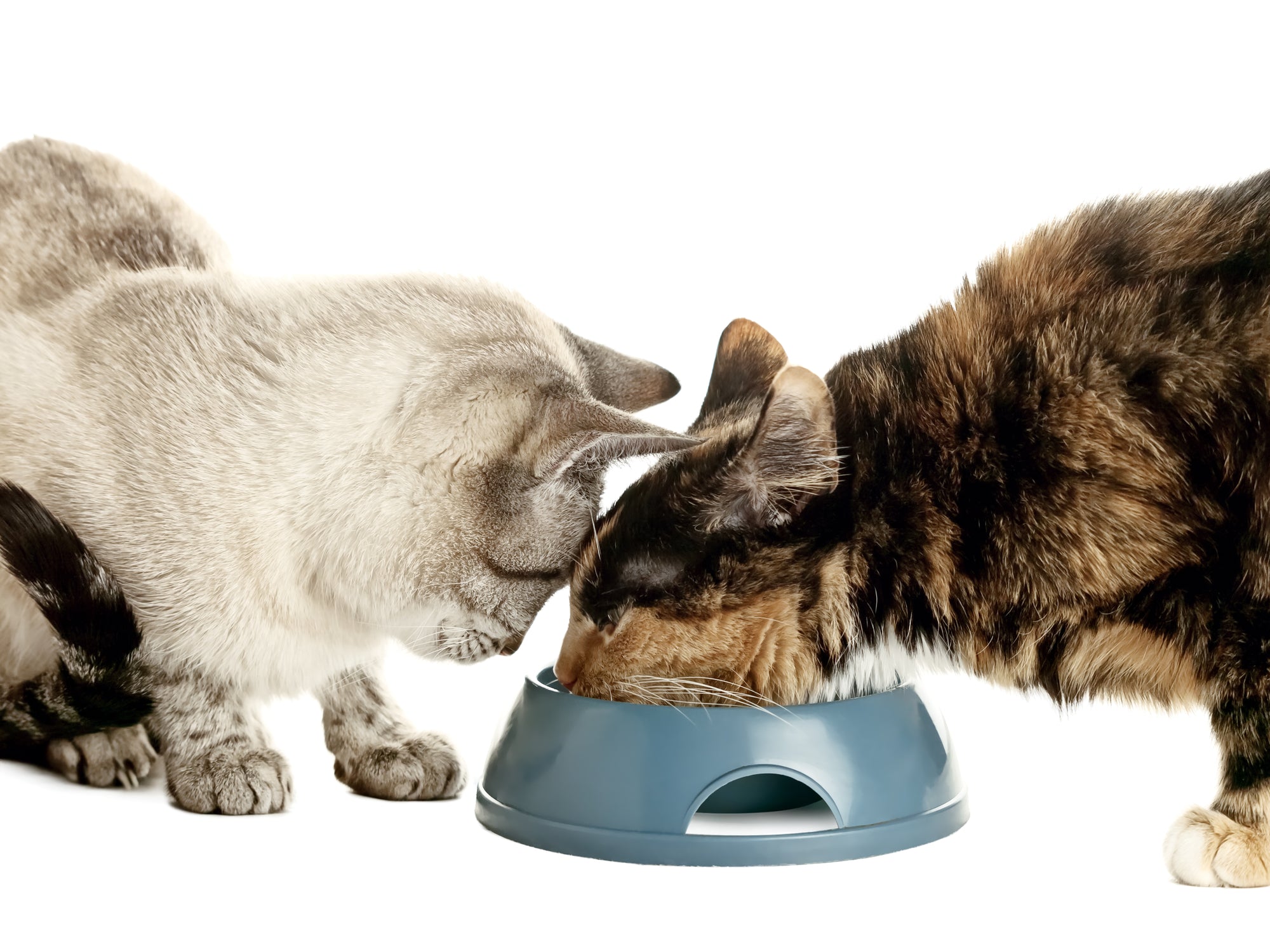
Introduction
Managing multiple cats can be a delightful yet challenging experience, especially when one cat decides to munch on another’s food. This behavior can lead to nutritional imbalances and stress among your feline friends. In this guide, we will explore effective strategies to prevent cats from eating each other’s food, ensuring that each pet receives their appropriate diet.
The expected outcome is a harmonious feeding environment where each cat enjoys their meal without interference. Before you begin, ensure you have separate feeding areas and the necessary supplies like bowls and possibly barriers or feeders designed for single-cat access.
1. Establish Separate Feeding Areas
Create distinct spaces for each cat during mealtime. This prevents them from accessing each other’s food easily.
By designating specific spots for feeding, you minimize competition and territorial disputes over food.
Common Pitfall: Avoid placing the bowls too close together; even a few feet can tempt curious cats.
Success Criteria: Observe if the cats remain focused on their own meals without attempting to sneak bites from one another.
2. Implement Scheduled Feeding Times
Feed your cats at set times rather than leaving food out all day. This helps regulate their eating habits and reduces opportunistic stealing.
A routine creates predictability for your pets, making them less likely to feel anxious about missing out on meals.
Caution: Ensure both cats are present during feeding time so they don’t get confused about when they eat.
Troubleshooting Tip: If one cat finishes quickly while the other takes longer, consider using timed feeders or separating them during mealtimes until they finish eating.
3. Use Elevated Feeding Stations
If possible, place one cat’s food bowl in an elevated location that the other cannot reach easily. Cats often prefer higher ground!
This tactic allows the more timid or slower eater to enjoy their meal without fear of being interrupted by a more assertive sibling.
Common Pitfall: Ensure that both cats are comfortable with climbing; not all felines are agile enough for high places.
Success Criteria: Monitor whether both cats eat peacefully without trying to invade each other’s space during meals.
4. Introduce Microchip Feeders
If budget permits, invest in microchip feeders that only open for specific pets based on their unique microchip ID or collar tag.
This technology ensures that only designated animals can access certain foods—ideal for managing dietary needs effectively!
Caution: Make sure your pets are microchipped or wear compatible collars before purchasing these feeders.
5. Train Your Cats with Commands
You can teach simple commands such as “stay” during feeding times so they learn not to approach another’s bowl until given permission.
Practice regularly with positive reinforcement techniques (like treats) when they obey commands successfully!
This method encourages discipline around meal times while strengthening your bond with them through training exercises.
Caution: Be patient; it may take time before your cats fully grasp these commands.
Troubleshooting Tip: If distractions arise (like sudden noises), practice reinforcing calmness before resuming training sessions.
Success Criteria: Observe improved behavior as they respond better over time!
6. Monitor Their Health Regularly
Keep track of how much each cat eats daily, noting any significant changes in weight or appetite.
This ensures every pet gets adequate nutrition tailored specifically according to its needs.
Caution: Consult a veterinarian if drastic fluctuations occur; it could indicate underlying health issues requiring attention.
Troubleshooting Tips: Consider adjusting portion sizes based upon individual activity levels/age groups accordingly!
Conclusion
By following these six steps, you create an environment conducive towards healthy eating habits amongst multiple felines within the same household.
Remember common challenges include stubborn behaviors & potential jealousy between siblings; however consistent training combined with proper management should yield positive results!
As next actions, explore alternatives like specialized diets suited specifically towards differing breeds/ages while keeping up regular vet checkups throughout the process.