What is the Reason Behind Dogs’ Love for Food Explained
Introduction
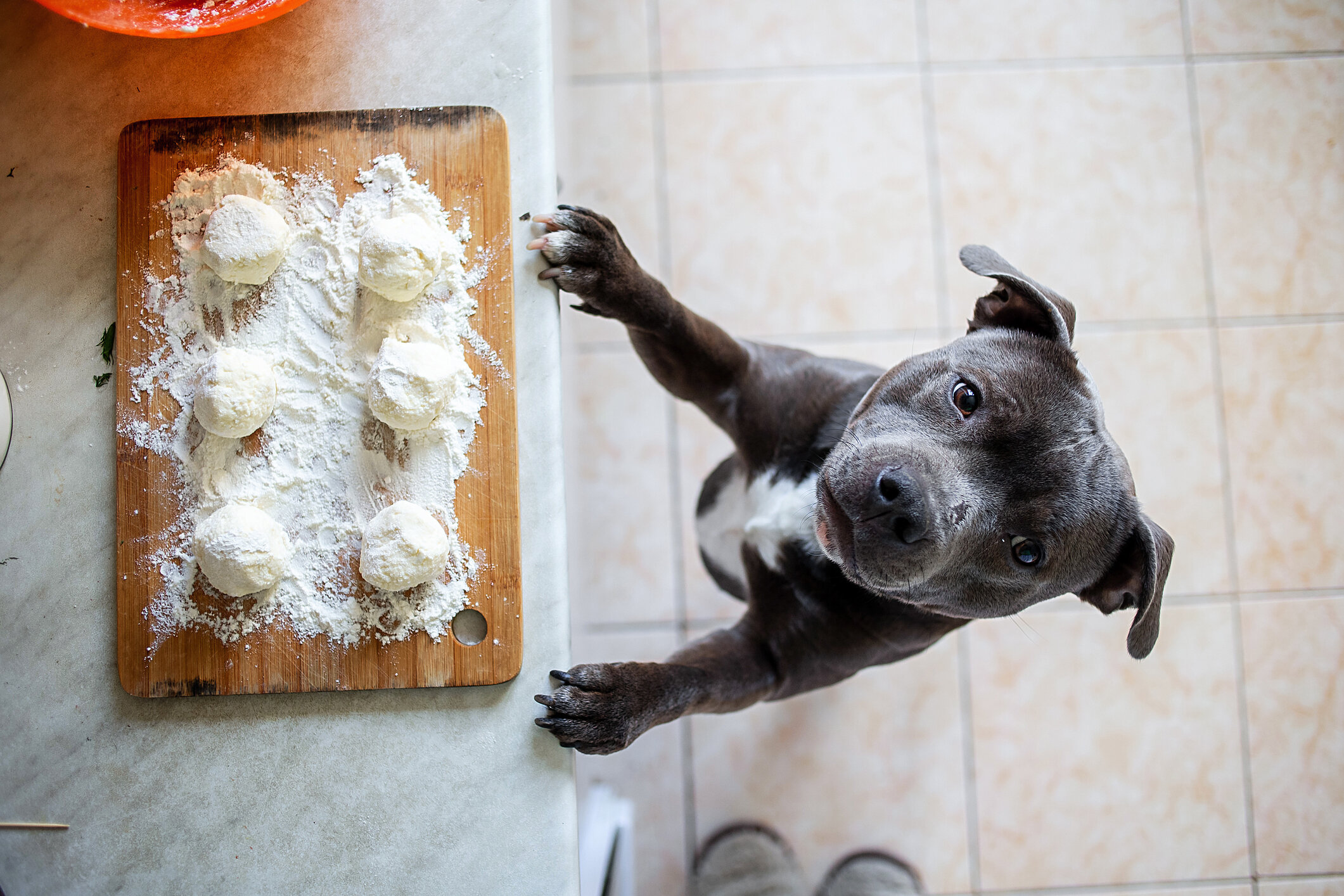
Dogs are often known for their insatiable love for food, which can leave many pet owners wondering why this behavior is so prevalent. This article delves into the reasons behind dogs’ affinity for food, exploring psychological, genetic, and historical factors that contribute to their obsession. Understanding these elements not only enhances our knowledge of canine behavior but also helps in better managing our pets’ diets.
Table of Contents
Why Do Dogs Love Food So Much?
The primary reason dogs love food stems from their evolutionary history as scavengers and hunters. Unlike humans who have a varied diet and culinary preferences, dogs are driven by instinctual needs that prioritize caloric intake. Their keen sense of smell—approximately 10,000 to 100,000 times more sensitive than humans—makes food especially appealing.
How Does History Influence This Behavior?
Historically, dogs were domesticated from wolves who had to hunt for survival. This background has instilled in them a natural inclination toward seeking out food whenever possible. In contrast to wild animals that may eat sporadically based on availability, domesticated dogs often experience regular feeding schedules established by their owners.
What About Breed and Genetics?
Certain breeds exhibit stronger tendencies towards food obsession due to genetic predispositions. For instance, Labrador Retrievers are notorious for their love of eating; studies suggest they possess a genetic mutation that increases their appetite compared to other breeds. Understanding these breed-specific traits can help dog owners manage feeding practices effectively.
Practical Applications: How Can Owners Manage This Behavior?
To address excessive food motivation in dogs, owners can implement structured feeding routines or engage in interactive feeding methods such as puzzle toys or slow feeders. These strategies not only satisfy the dog’s hunger but also stimulate mental engagement.
What Are Some Common Misconceptions?
A common misconception is that all dogs beg or act hungry because they are underfed; however, this behavior may also stem from learned habits or environmental cues rather than genuine hunger. Additionally, some dog owners mistakenly believe that sharing human food with their pets is harmless when it can lead to obesity and health issues if done excessively.
Conclusion
In summary, understanding why dogs love food involves examining various factors including evolutionary history, genetics, and behavioral patterns shaped by domestication. Recognizing these influences allows pet owners to make informed decisions about nutrition and training while fostering healthier relationships with their furry companions.
For further reading on canine behavior and dietary needs: